Loading...
Serving Coconut Creek, FL and surrounding areas. (754) 294-8695
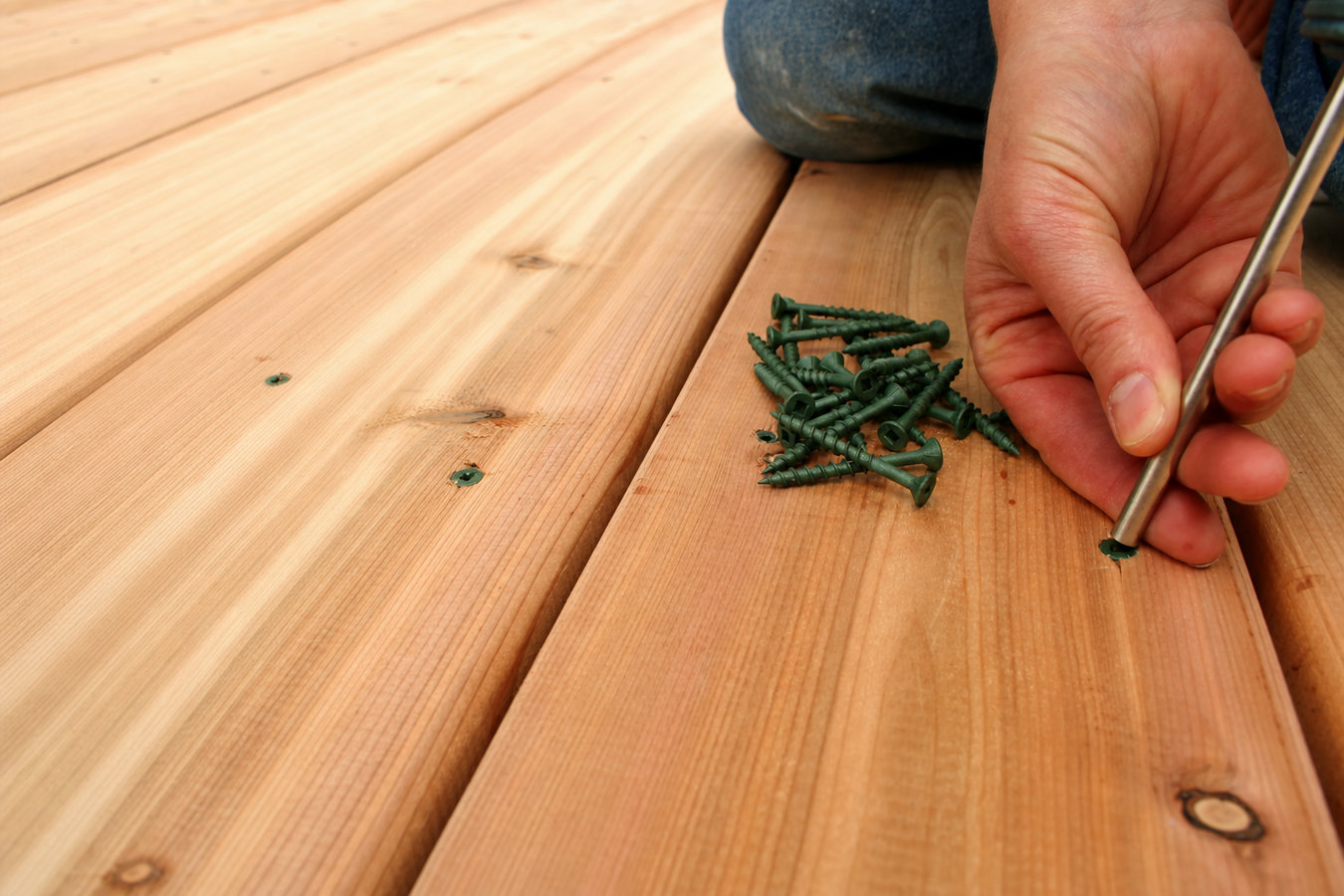
You want a deck that looks as good as it feels underfoot. Cedar gives you natural warmth, built-in rot resistance, and a surface that stays cooler than concrete on a South Florida afternoon.
Cedar wood deck construction in Coconut Creek means using a naturally rot-resistant wood that handles humidity better than standard pine, stays cooler underfoot than composite in direct sun, and brings a warm, reddish tone that looks finished from day one. Most projects take three to five working days once materials arrive on site.
Homeowners in Coconut Creek often choose cedar when they want a classic wood look without the high maintenance demands that come with some other species. If you are weighing your options, pressure-treated wood deck construction is worth comparing - it costs less upfront but needs more frequent sealing in this climate. Cedar sits in the middle ground: more natural, more attractive out of the gate, and durable when maintained properly.
The biggest maintenance step for a cedar deck here is sealing or staining it every one to two years. South Florida's UV exposure and humidity will gray and check the wood faster than it would in a drier climate if you skip that step. Plan for it and your deck will hold up for 15 to 25 years.
If your back door opens onto bare grass or a concrete slab that gets too hot to stand on barefoot, you are missing one of the most valuable features a South Florida home can have. Coconut Creek's weather allows outdoor living almost every month of the year. A cedar deck turns unused yard into a room your family actually gravitates toward.
Press your foot firmly on different spots across your current deck. If any area feels soft or gives slightly, the wood underneath is likely rotting from moisture. In Coconut Creek's humidity, rot spreads quickly once it starts, and a deck that feels soft in one spot often has hidden damage in the framing below. That is a replacement situation, not a repair.
A deck that flexes noticeably underfoot, or has a railing that moves when you lean on it, has structural problems. In South Florida's climate, hardware corrosion is a common culprit, and it can happen faster than most homeowners expect. A wobbly railing is a safety hazard, especially if you have children or elderly family members using the space.
If you can see daylight between boards that used to be tight, or nail heads are poking above the surface, the wood has dried and shifted in ways that signal the deck is past its useful life. These signs typically appear after 10 to 15 years on an unmaintained deck in this climate. Patching individual boards rarely solves the underlying problem.
We build cedar decks from the ground up - frame, decking boards, railing, and stairs - using western red cedar graded for appearance and durability. Every deck is permitted, inspected, and anchored with stainless steel or hot-dipped galvanized hardware suited to South Florida's salt air. If your deck will attach to your home, we make a proper ledger connection to the house framing, not just the siding.
Once the deck is complete, we walk you through the maintenance steps specific to cedar in this climate - what to apply, when to apply it, and what to watch for. If you later want to protect and preserve the look, our deck repair and replacement team can assess any structural concerns that come up down the road. For a full wood comparison before you decide, take a look at pressure-treated wood deck construction - it is a common alternative with a different cost and maintenance profile.
Best for homeowners starting from scratch who want a warm, natural wood look from day one.
Good fit for homeowners who want a finished, polished appearance and code-compliant railings built to handle wind.
Suits multi-level yards or elevated decks where safe, solid access to the yard or pool area is needed.
Right choice when the existing deck frame or boards are past repair and a fresh structure is the better investment.
Coconut Creek sits in one of the most demanding climates for wood construction in the country. The combination of year-round heat, humidity that regularly exceeds 80 percent in summer, and intense UV exposure means cedar here ages faster than it would in a drier state. That affects both material selection and hardware choices. Standard zinc-plated fasteners corrode quickly this close to the coast - stainless steel and hot-dipped galvanized connectors are not optional here, they are the baseline. We also set footings using surface-mounted post anchors in concrete pads rather than deep-buried posts, which is standard practice in Broward County's sandy, high-water-table soil.
HOA approval is a real factor in many Coconut Creek neighborhoods - we are familiar with the submission process and can provide the drawings your association needs before we ever apply for the permit. We regularly build cedar decks for homeowners across the area, including those served through our Margate, FL and Coral Springs, FL service areas. For code questions specific to your project, Broward County's building requirements are a useful reference at broward.org/Building.
We will ask a few basic questions about your yard, approximate size, and any HOA requirements. You will hear back within one business day to schedule a site visit.
We come to your property, measure the space, review how the deck will connect to your home, and check for any drainage or grading concerns. Within a few days you receive a written estimate breaking down materials, labor, and the permit fee - not just a single number.
Once you sign the contract, we submit the permit application to Coconut Creek's building department and provide drawings for any HOA submission. Permit review in Broward County typically takes one to three weeks - this sets your start date.
Most cedar decks take three to five working days to build. We frame, lay the boards, install the railing, and build stairs if needed. After the city inspection passes, we walk you through the deck and go over maintenance steps before we leave.
No obligation. We come to your property, take measurements, and give you a written quote so you can compare fairly.
(754) 294-8695We use stainless steel screws and hot-dipped galvanized connectors throughout every cedar build. Standard zinc-plated hardware corrodes within a few years this close to the coast and stains your deck boards. We do not cut corners on what you cannot see once the deck is done.
We pull every required permit and manage the inspection schedule so you are not chasing paperwork. A permitted deck is documented, legal, and ready to show a buyer or an insurance adjuster. It is part of what you are paying for when you hire a licensed contractor.
A large portion of Coconut Creek is governed by HOAs. We are familiar with the submission process and provide the drawings your association needs. Skipping HOA approval before construction can mean fines or redoing completed work - we handle it upfront.
Broward County's sandy, high-water-table soil means standard deep-buried posts are not always the right answer. We use surface-mounted post anchors set in concrete pads where soil conditions call for it - the method inspectors in this area expect to see. For more on wood construction standards, see the American Wood Council.
Every one of these points connects back to the same thing: a cedar deck that holds up in this climate, passes inspection, and does not surprise you with problems in year two. That is the standard we build to.
When boards go soft or the frame underneath has aged out, we assess what is worth saving and rebuild from there.
Learn MoreA lower upfront cost than cedar, best for homeowners who want solid wood construction and plan to stay on top of sealing.
Learn MoreSpring build slots fill fast - reach out now to lock in your date before the schedule closes.